Chem-Nutri-Logo
Chem-Nutri-Logo

Telephone

+27 (11) 316 8800
+27 (11) 316 8804
+27 (69) 153 7416

Email Address

info@chemnutri.co.za
clientservices@chemnutri.co.za

Office Address

Cedar Lake Industrial Estate, 1 Harvest Place, Clayville
Olifantsfontein, Gauteng Province, 1666

Menu

Mycotoxin Testing in Feed and Food

Chromatography-02

What Are Mycotoxins?

Mycotoxins are toxic compounds produced by certain moulds that grow on agricultural commodities. The most significant toxin-producing fungi belong to the genera Aspergillus, Fusarium and Penicillium. These moulds may develop in crops before harvest or during storage if moisture and temperature conditions are favourable.
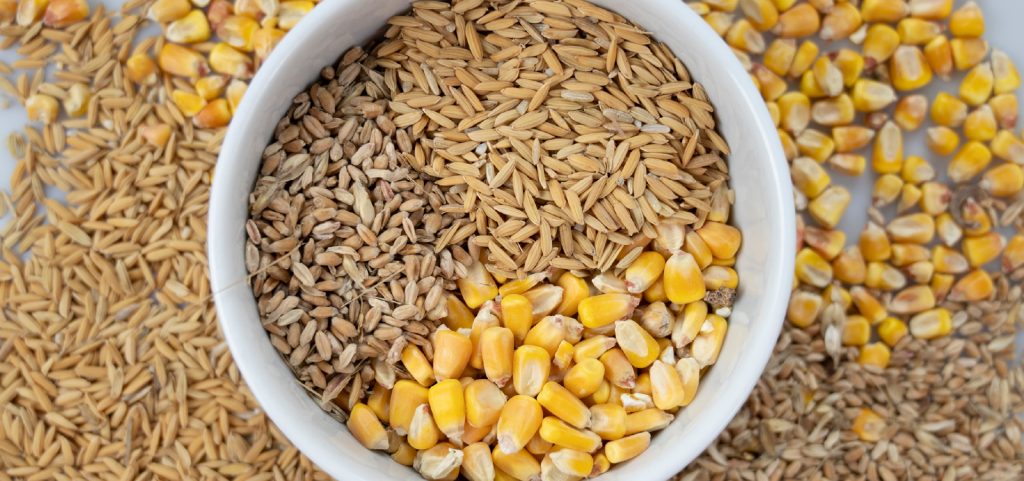
Mycotoxins commonly contaminate maize, wheat, barley, rice, nuts, oilseeds and other commodities used in both animal feed and human food production. It may also be present in processed products derived from these raw materials, including nut products, cereal-based foods and certain edible oils.
These toxins are chemically stable, and although certain processes may reduce their concentrations, they are not reliably removed and can persist in processed products. Their presence cannot be detected by visual inspection or routine quality checks, as contamination does not consistently correspond with visible mould growth. Accurate determination, therefore, requires analytical laboratory testing.
For producers, processors and traders, mycotoxins represent a persistent food and feed safety risk that requires active monitoring.
Chem-Nutri-Logo
+27 (11) 316 8800
Services Contact Form

Effects of Mycotoxins on Animal and Human Health

The impact of mycotoxins depends on the specific toxin, the level of exposure and the duration of intake.
In animals, exposure may result in:
‣ Reduced feed intake and poor growth performance
‣ Suppressed immune function
‣ Liver or kidney damage
‣ Reproductive disturbances
‣ Reduced milk or egg production
In humans, certain mycotoxins are associated with acute toxicity, chronic health effects and, in some cases, carcinogenicity. Aflatoxins, for example, are well recognised for their liver toxicity and carcinogenic potential. Long-term dietary exposure to regulated mycotoxins is therefore a significant public health concern.
Because contamination may occur at low levels over extended periods, ongoing monitoring is essential in both food and feed supply chains.

Common Mycotoxins in Food, Nuts, Oils and Feed

Multiple mycotoxins may occur simultaneously in the same batch of grain, nuts or oilseeds. Co-contamination is a common occurrence and may increase the overall risk.
The most significant mycotoxins encountered across food and feed markets include:
Aflatoxins – Frequently associated with maize, groundnuts, tree nuts and certain oilseeds; highly toxic and carcinogenic.
Deoxynivalenol (DON) – Common in cereals and cereal-based foods; often associated with reduced feed intake and impaired performance in animals.
Diacetoxyscirpenol (DAS) – A Type A trichothecene detected in cereal grains; associated with cytotoxic and immunosuppressive effects.
Zearalenone (ZEA) – Commonly found in maize and other cereal grains; known for its oestrogenic activity and potential to disrupt reproductive function.
Fumonisins – Typically associated with maize and maize-derived products; linked to liver and lung toxicity in animals.
Ochratoxin A – Detected in cereals, coffee, dried fruits and some processed foods; primarily affects kidney function.
T-2 and HT-2 toxins – Trichothecenes occurring primarily in cereal crops; capable of damaging rapidly dividing cells.
Nivalenol (NIV) – A trichothecene commonly found in cereals, particularly wheat and maize; associated with gastrointestinal and immunotoxic effects.
Each of these mycotoxins presents different risks depending on concentration, exposure duration and species sensitivity, and many are subject to regulatory limits in food and feed.

Regulatory & Compliance Considerations

The maximum permitted levels for mycotoxins have been established in many countries to protect both animal health and consumers. Limits differ depending on:
‣ The specific mycotoxin.
‣ The type of product (raw commodity, processed food or complete feed).
‣ The intended consumer (human or specific animal species).
‣ The destination market in the case of exports.
Failure to comply with regulatory limits can result in rejected consignments, product recalls, financial losses and reputational damage. For exporters in particular, meeting destination country requirements is critical.
Routine mycotoxin testing forms an essential part of quality assurance systems, supplier verification programmes and food safety management frameworks.

The Importance of Laboratory Testing

Mycotoxin contamination cannot be reliably predicted based on appearance, grading parameters or routine quality assessments. The absence of visible mould growth does not indicate the absence of toxins, and contamination may be unevenly distributed within a batch.
Accurate assessment requires representative sampling followed by validated analytical testing. Without quantitative data, decisions regarding product release, blending, export or processing are made with uncertainty.
Advanced LC-MS/MS methods allow the simultaneous detection and quantification of multiple mycotoxins within a single analysis. This provides a comprehensive contamination profile rather than a narrow, single-toxin result.
Routine monitoring enables:
‣ Verification of compliance with regulatory limits
‣ Data-driven acceptance or rejection of raw materials
‣ Identification of high-risk suppliers or origins
‣ Protection of downstream food and feed safety
‣ Reduction of financial and reputational risk

Managing Mycotoxin Risk in Food and Feed Supply Chains

Mycotoxins remain one of the most significant chemical hazards in global food and feed production. Their occurrence is influenced by climate, crop management practices, storage conditions and international trade flows, making complete prevention unrealistic.
Effective management, therefore, relies on a structured approach that combines good agricultural and storage practices with representative sampling and validated analytical testing. Multi-mycotoxin analysis provides the data required to understand contamination patterns, assess compliance and make informed commercial decisions.
In increasingly regulated and competitive markets, a proactive approach to mycotoxin monitoring is essential to safeguard animal health, protect consumers and maintain supply chain integrity.
Chem Nutri Analytical is an independent, SANAS-accredited laboratory serving the food and agricultural sectors. Proudly South African, we’ve delivered reliable, science-driven testing since 2014. Bringing global benchmarking standards to local industries.
sanas-testing-laboratory
Footer Contact Form
Cedar Lake Industrial Estate
1 Harvest Place, Clayville
Olifantsfontein
Gauteng Province
1666
+27 (11) 316 8800
+27 (11) 316 8804
+27 (69) 153 7416
info@chemnutri.co.za
clientservices@chemnutri.co.za
https://chemnutri.co.za
Mon to Fri: 7am to 5pm
POPIA Compliance | Terms and Conditions of Service | Copyright © 2018 Chem Nutri Analytical. All rights reserved.
envelopephone-handsetmap-markercrosschevron-down linkedin facebook pinterest youtube rss twitter instagram facebook-blank rss-blank linkedin-blank pinterest youtube twitter instagram