Chem-Nutri-Logo
Chem-Nutri-Logo

Telephone

+27 (11) 316 8800
+27 (11) 316 8804
+27 (69) 153 7416

Email Address

info@chemnutri.co.za
clientservices@chemnutri.co.za

Office Address

Cedar Lake Industrial Estate, 1 Harvest Place, Clayville
Olifantsfontein, Gauteng Province, 1666

Menu

Oil Oxidation and Rancidity Testing in Food, Feed, and Raw Materials

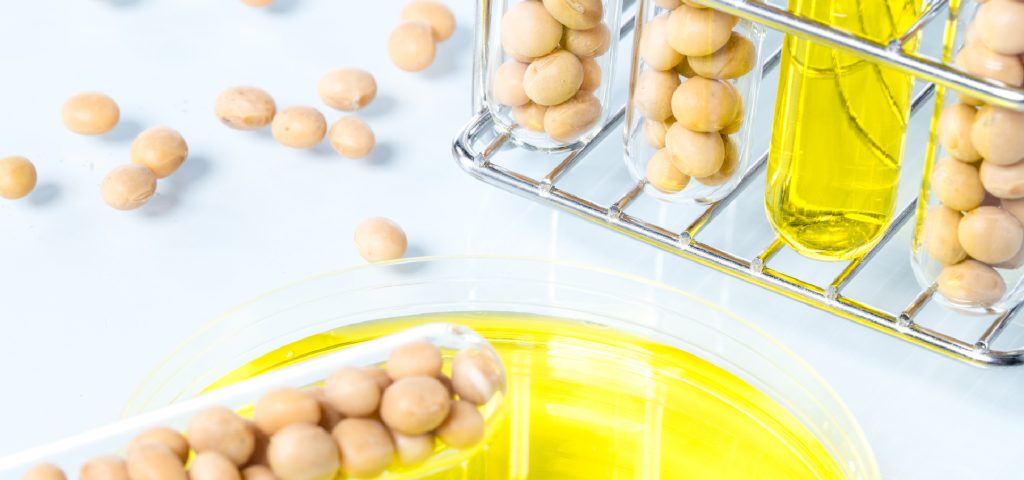
Oil-Quality-Testing-02

What is oil oxidation and rancidity?

Oil oxidation is the chemical breakdown of fats through reaction with oxygen, resulting in the formation of unstable compounds that degrade oil quality. This process leads to rancidity, which affects the nutritional value, stability, and usability of oils and fat-containing materials.
Oxidation can occur in refined food oils but is often more complex and variable in raw materials such as oilseeds, fishmeal, and animal by-products.
Chem-Nutri-Logo
+27 (11) 316 8800
Services Contact Form

Role and importance

Oil quality plays a critical role across both food and feed applications. Oxidation affects:
‣ Nutritional integrity, including essential fatty acids and fat-soluble vitamins
‣ Palatability, leading to off-odours and reduced intake
‣ Shelf life and storage stability
‣ Safety, due to the formation of reactive degradation compounds
In less refined materials, naturally occurring metals, enzymes, and moisture can significantly accelerate oxidation compared to finished food oils.

Oil oxidation in food, feed, and raw materials

Oxidation behaviour varies depending on the matrix and level of processing:
Refined food oils
‣ Typically more stable due to removal of impurities during refining
‣ Still susceptible to oxidation during storage, heating, and exposure to light
Oilseeds (e.g. soybean, sunflower)
‣ High levels of unsaturated fats increase oxidation risk
‣ Processing steps such as crushing expose lipids to oxygen
Fishmeal
‣ Highly prone to rapid oxidation due to elevated polyunsaturated fatty acid (PUFA) content
‣ Degradation can begin during drying and continue during storage
Animal by-products (e.g. poultry by-product meal)
‣ Variable fat composition and quality
‣ Often affected by both oxidative and hydrolytic degradation
In practice, oxidation is rarely uniform, and different stages of degradation may be present simultaneously.

Stability and
behaviour

Oil degradation is a progressive process involving multiple pathways:
Primary oxidation
‣ Formation of peroxides
‣ Measured by Peroxide Value (PV)
Secondary oxidation
‣ Breakdown of peroxides into aldehydes and ketones
‣ Measured by p-Anisidine Value (p-AV)
Advanced oxidation
‣ Formation of smaller reactive compounds such as malondialdehyde
‣ Assessed using TBA-based methods
Hydrolytic degradation
‣ Formation of Free Fatty Acids (FFA) due to moisture or enzymatic activity
‣ Particularly relevant in raw materials and poorly stored products
Several factors influence the rate of degradation:
‣ Heat during processing (e.g. frying, pelleting, rendering)
‣ Exposure to oxygen and light
‣ Presence of metals (iron, copper) acting as oxidation catalysts
‣ Moisture content and water activity
‣ Storage duration and conditions
In materials such as fishmeal and by-products, oxidation can progress beyond early stages rapidly, making monitoring essential.

Why analysis matters

Oil oxidation is not always visible or detectable by smell, particularly in early stages. Analytical testing provides a reliable way to assess quality and control variability across different materials.
Key reasons for routine analysis include:
Verification
‣ Confirms the oxidative status of incoming oils and raw materials
‣ Detects early-stage degradation before it becomes obvious
Quality control
‣ Monitors changes during storage, transport, and processing
‣ Identifies inconsistent batches or supplier-related issues
Formulation accuracy
‣ Ensures degraded fats are not incorporated into finished products
‣ Supports appropriate use of antioxidants and raw material selection
Real-world impact
‣ Oxidised oils reduce feed intake and affect animal performance
‣ Degradation products contribute to oxidative stress
‣ Loss of essential fatty acids reduces nutritional value
‣ Advanced rancidity leads to reduced shelf life and potential product rejection
A combination of analytical parameters is typically used to assess oil quality:
Peroxide Value (PV) → early oxidation
p-Anisidine Value (p-AV) → secondary oxidation
Totox → overall oxidation status
TBA (malondialdehyde) → advanced degradation
Free Fatty Acids (FFA) → hydrolytic deterioration
Together, these provide a comprehensive picture of oil stability across food oils, feed materials, and raw ingredients.
Chem Nutri Analytical is an independent, SANAS-accredited laboratory serving the food and agricultural sectors. Proudly South African, we’ve delivered reliable, science-driven testing since 2014. Bringing global benchmarking standards to local industries.
sanas-testing-laboratory
Footer Contact Form
Cedar Lake Industrial Estate
1 Harvest Place, Clayville
Olifantsfontein
Gauteng Province
1666
+27 (11) 316 8800
+27 (11) 316 8804
+27 (69) 153 7416
info@chemnutri.co.za
clientservices@chemnutri.co.za
https://chemnutri.co.za
Mon to Fri: 7am to 5pm
POPIA Compliance | Terms and Conditions of Service | Copyright © 2018 Chem Nutri Analytical. All rights reserved.
envelopephone-handsetmap-markercrosschevron-down linkedin facebook pinterest youtube rss twitter instagram facebook-blank rss-blank linkedin-blank pinterest youtube twitter instagram